

Photographs are far more than decorative objects. For parents, they are acts of preservation against the relentless passage of time, irrefutable proof that a particular version of a child once existed. This guide is not about technical perfection. It is about intentionality, about understanding which photographs carry the most emotional weight and approaching picture-taking as a quiet, loving act of documentation.
The Early Days
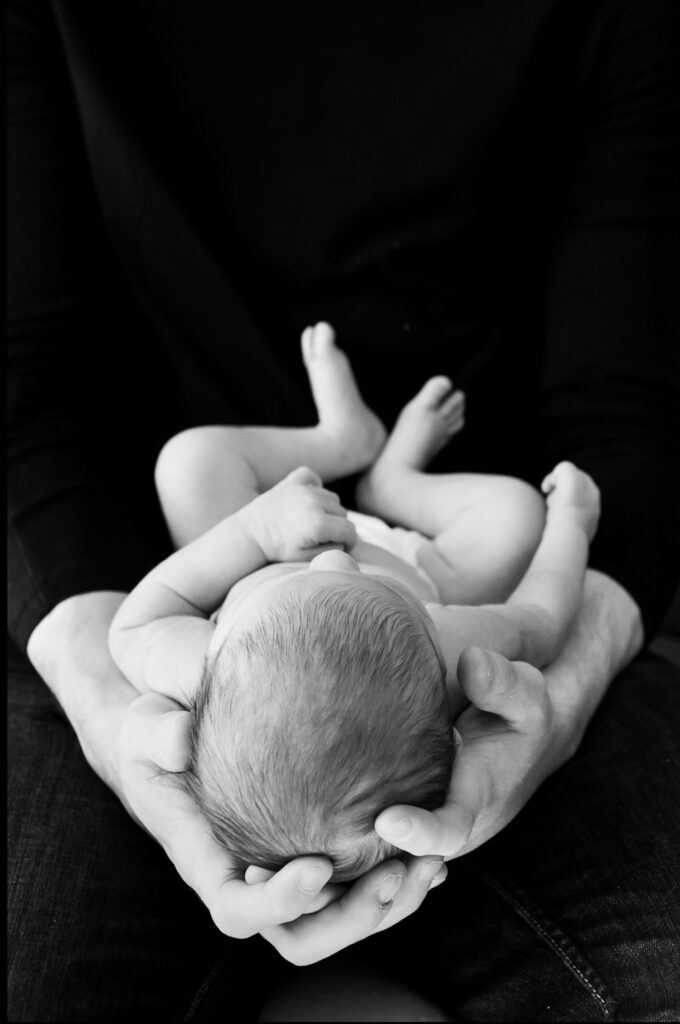
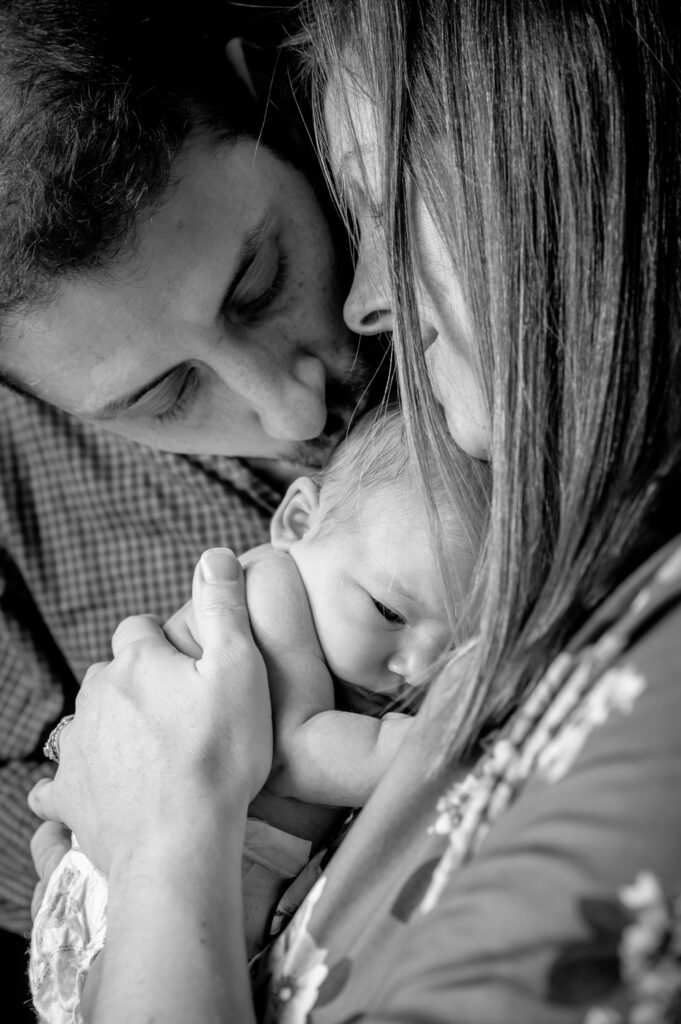
The newborn stage is the most disorienting and the most moving period of early parenthood, and it is also the hardest to remember clearly. This is precisely why photographs from those first days carry such outsized significance later on. Natural window light is the best tool available, as soft, diffused light creates warmth and intimacy that artificial lighting cannot replicate. Context matters here too. Photographs of a baby nestled in a parent’s arms, or lying in a bassinet with a sibling peering over curiously, tell a story rather than simply recording a fact.
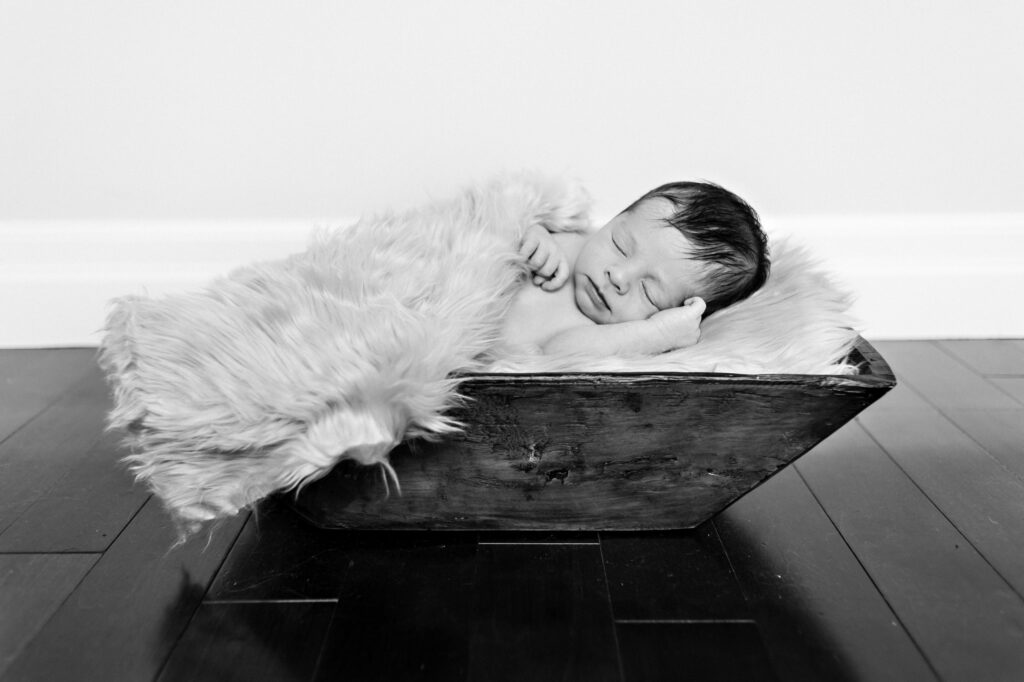
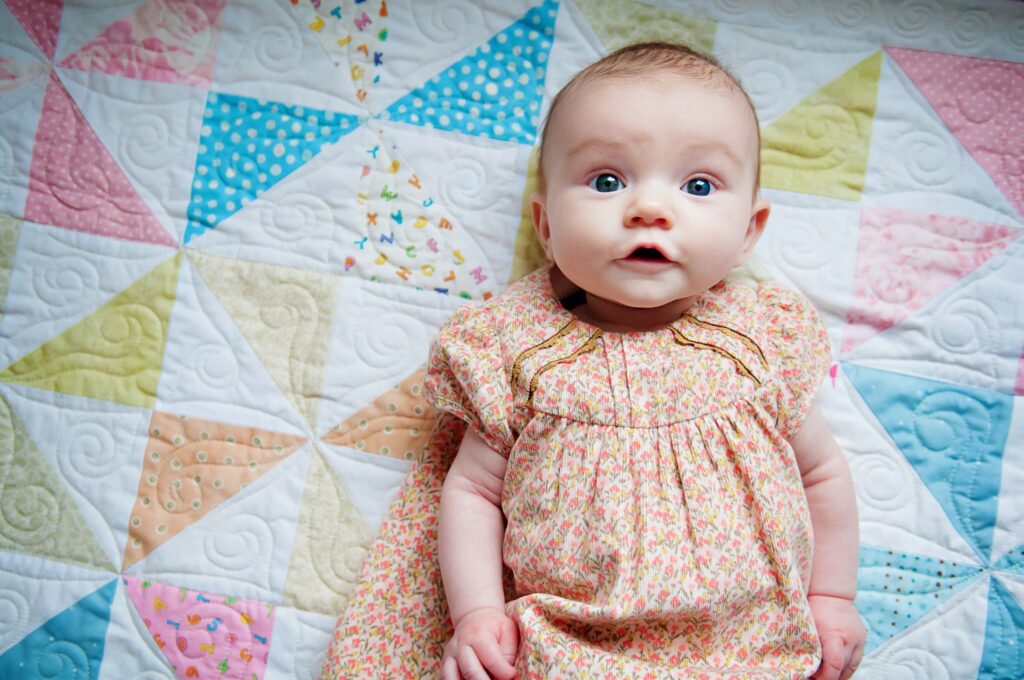
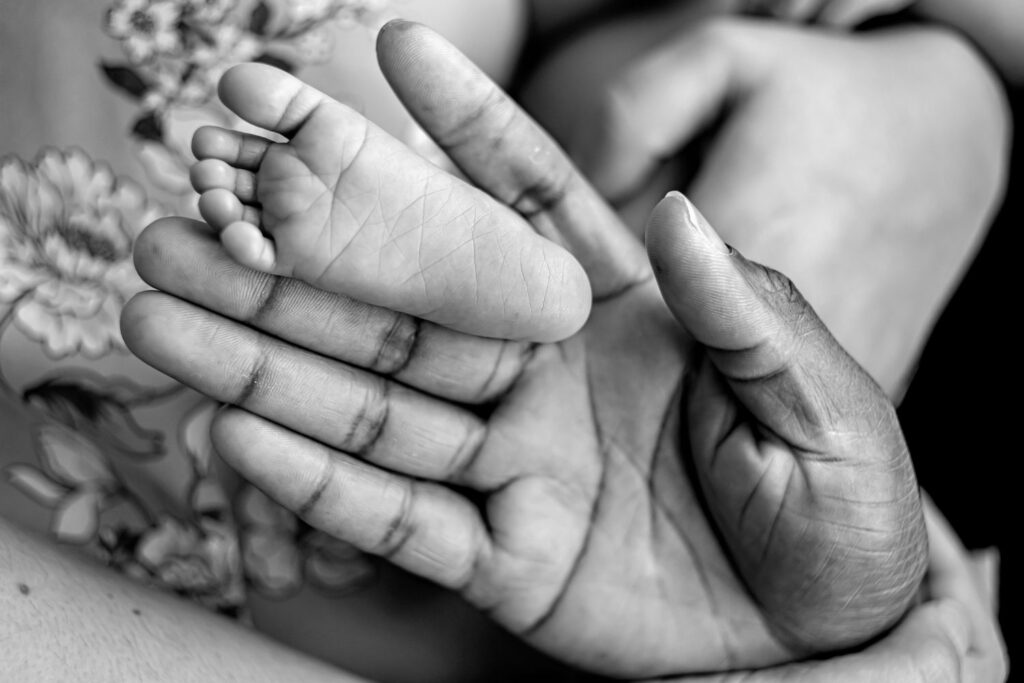
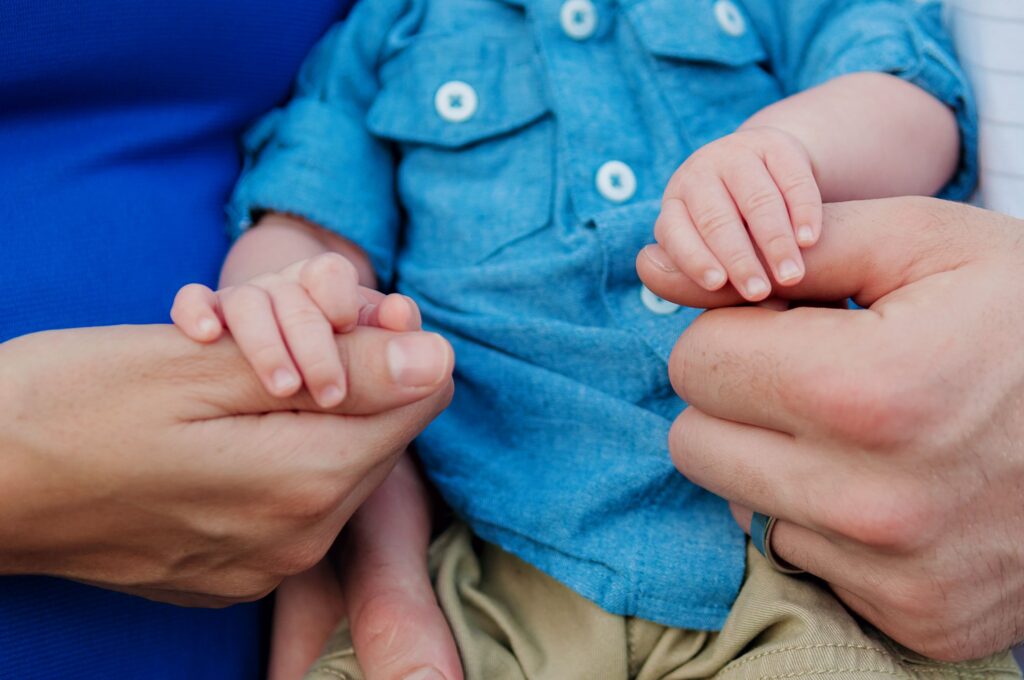
Beyond full-body newborn shots, the micro-details of infant anatomy deserve their own dedicated attention. Tiny hands curled around a parent’s finger, soft feet, the architectural intricacy of a newborn ear, the flutter of eyelashes against a cheek during sleep. These hyper-specific images function as a physiological diary, documenting the precise physical reality of a child at the very beginning of their life. Using portrait or macro mode to achieve a soft, blurred background throws these details into beautiful relief and lends the images a painterly quality.
The first year of a child’s life is the most developmentally concentrated period of human existence, and its milestones deserve careful documentation. The first unassisted roll, the sphinx-like sitting stage, the wobbling, lurching early walking gait, all of these transitions should be photographed as processes, not just as singular achievements. Photographing a baby in the same location each month creates a built-in visual timeline that makes growth strikingly visible over time.


Candid, Everyday, and Quiet Moments
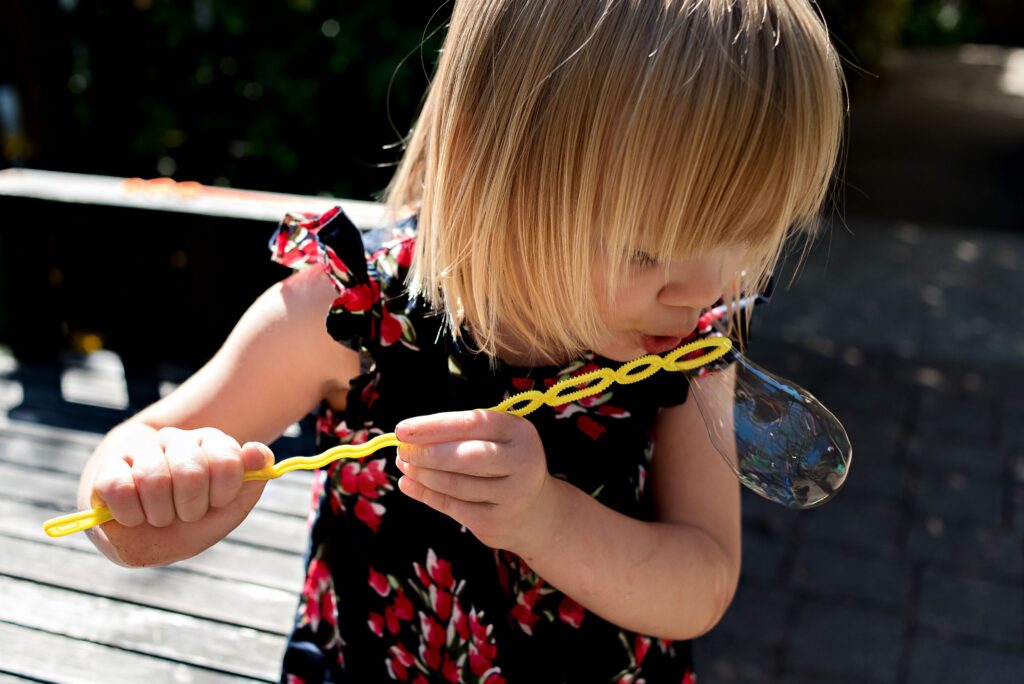
The posed portrait has its place, but candid photography operates on a different and often more powerful frequency. The most memorable family photographs are almost always those taken when children have forgotten the camera exists and are simply being themselves. Achieving great candid images requires patience and the deliberate cultivation of photographic invisibility. Children who are photographed regularly and without ceremony eventually stop performing for the lens, and that is when the most authentic images become possible.

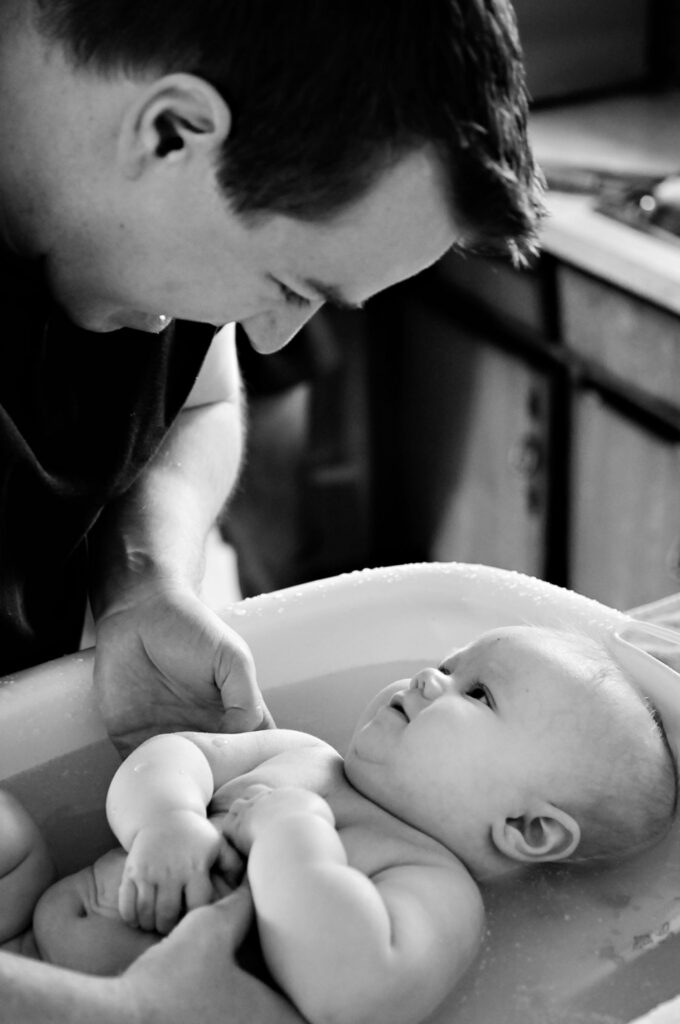
The everyday rituals of family life, bathtime, mealtimes, and bedtime stories, are chronically underrepresented in most family archives, precisely because they feel too ordinary to photograph. This is a mistake worth correcting. These scenes are the actual substrate of childhood, what family life is genuinely made of. A decade of breakfast photographs taken at the same kitchen table, with the table remaining constant while the children change dramatically, produces images of quiet and deeply moving power.
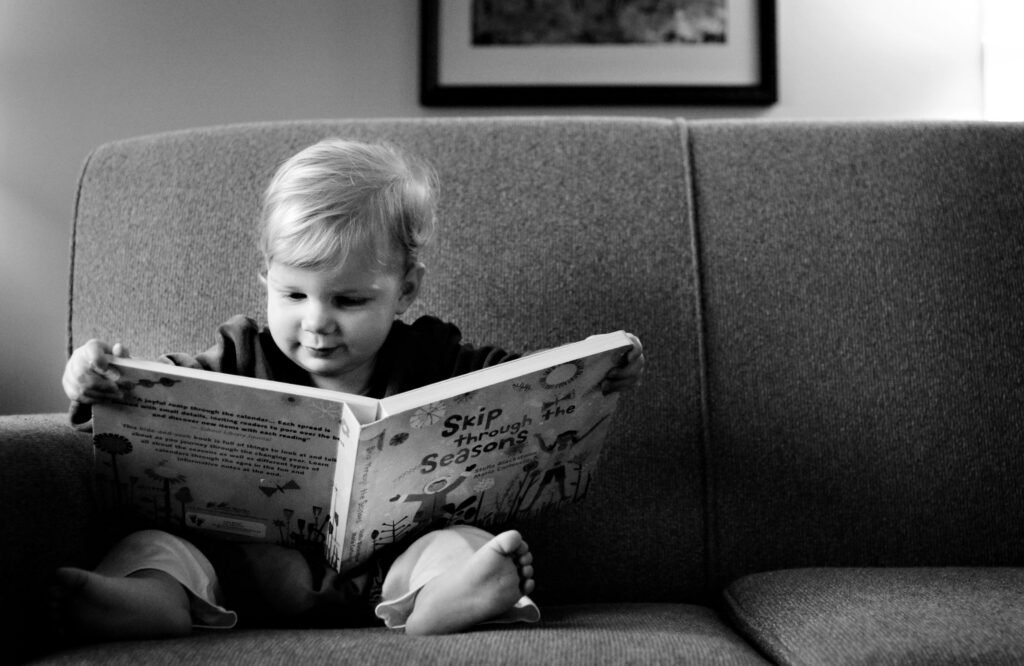
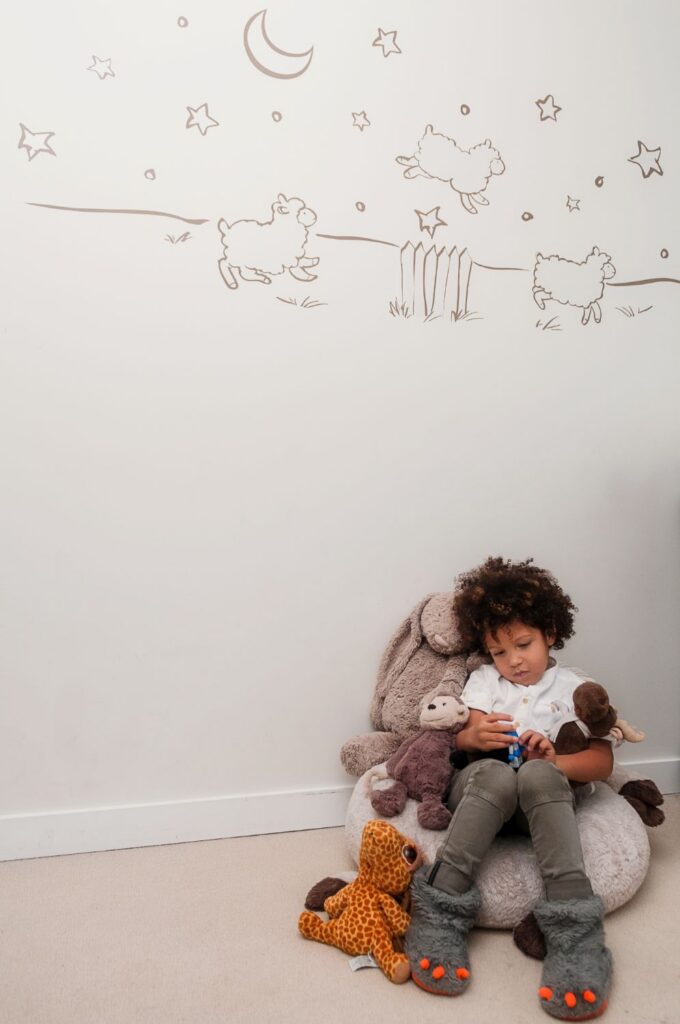
The quiet, interior moments of childhood are among the hardest to capture and the most rewarding when captured well. A child absorbed in a book, drawing at a table with their tongue pressed to the corner of their mouth, or lying in the garden staring at the sky in a state of concentrated reverie. These photographs reveal aspects of a child’s inner life and developing personality that more exuberant images cannot always access, and they tend to be the ones that make a grown child pause longest when looking back.

Relationships and Bonds
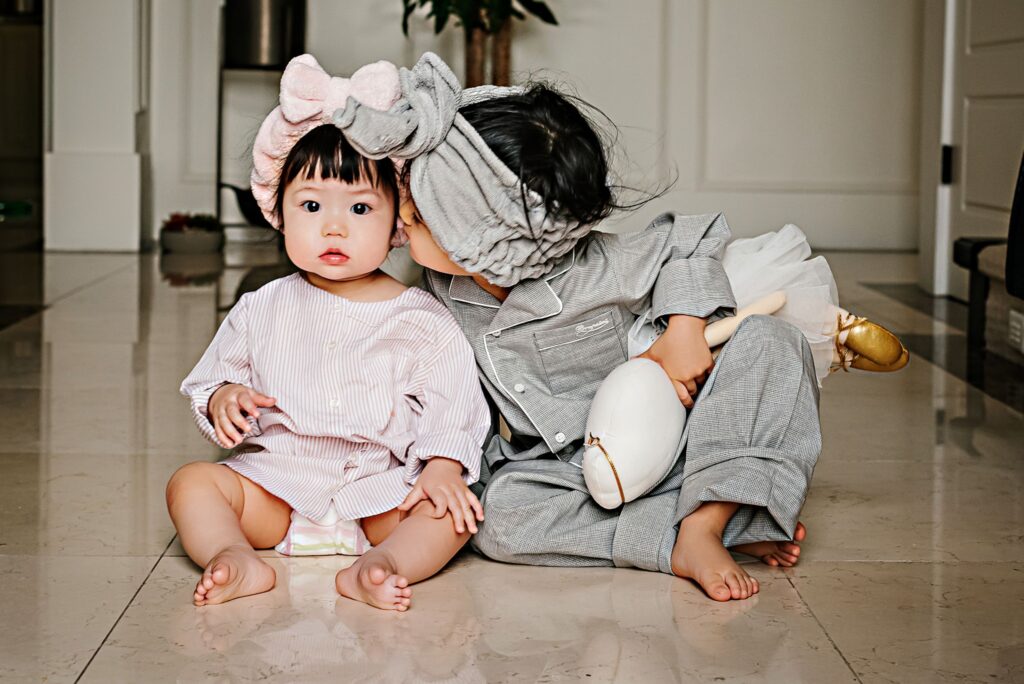
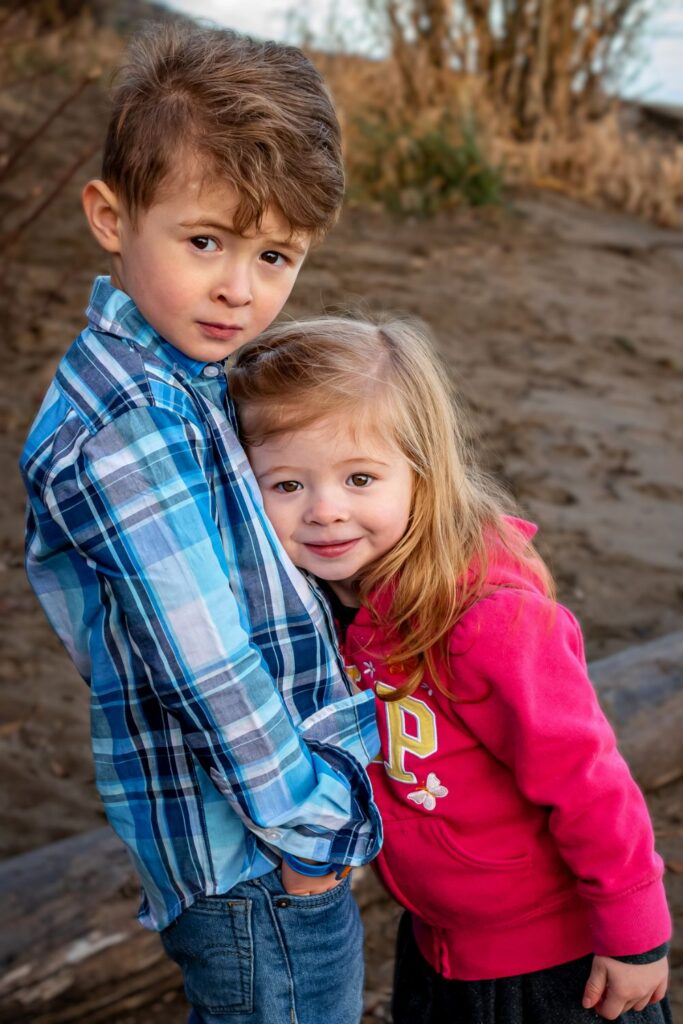
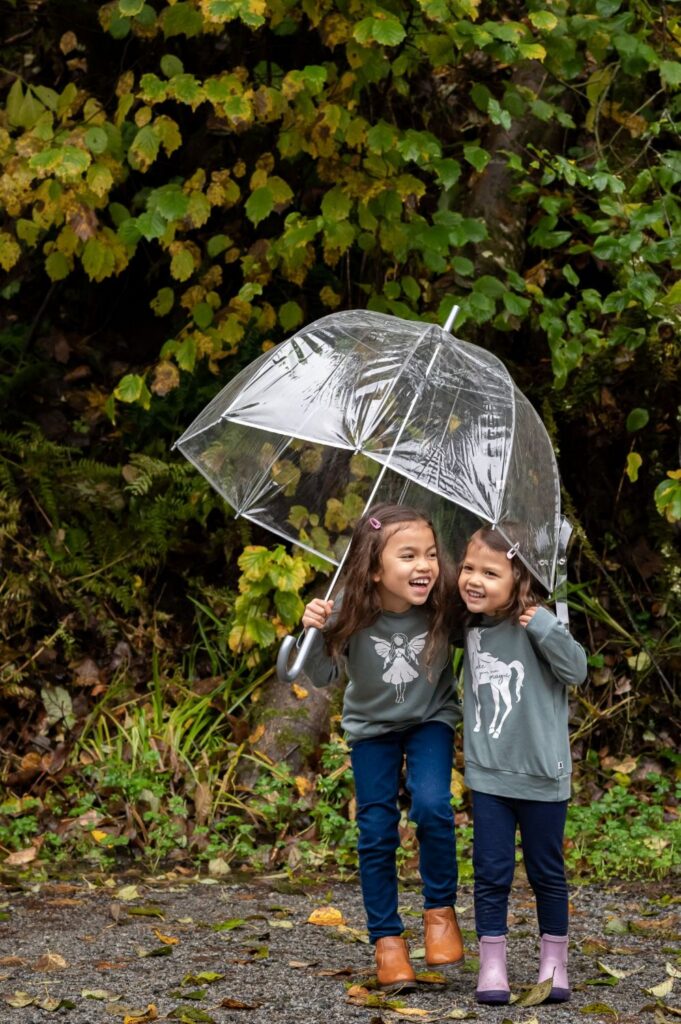
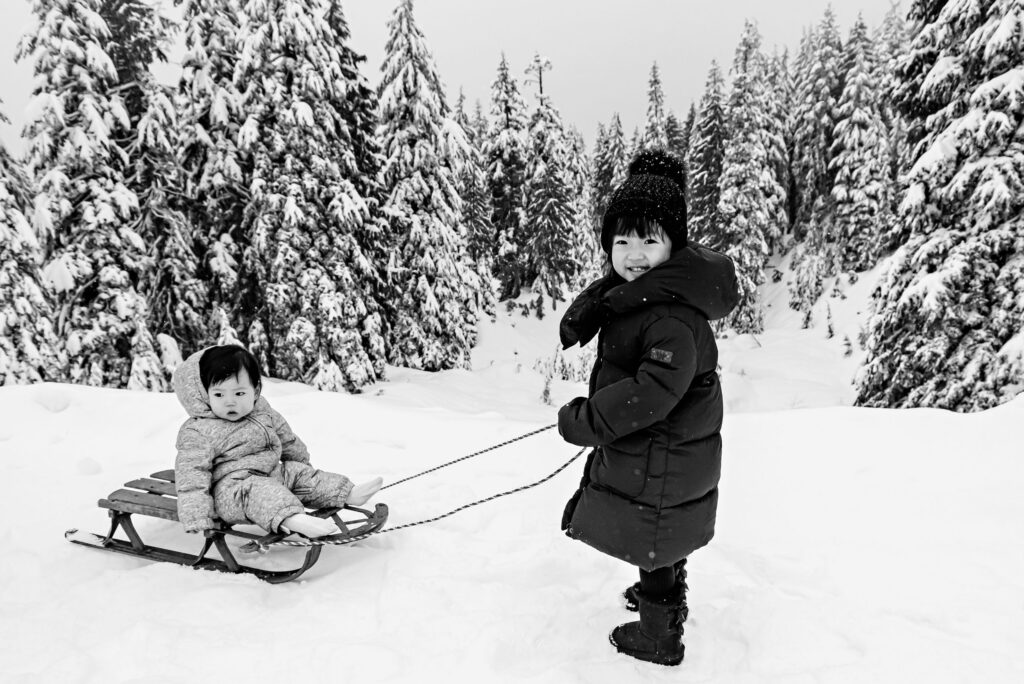
The sibling relationship, with its full spectrum of tenderness, competition, and conspiratorial alliance, is one of the most photogenic dynamics in family life. Authentic sibling photography should not be limited to moments of obvious affection. An older sibling tolerating a younger one’s intrusion with barely concealed exasperation can be just as valuable and far more honest than an orchestrated hug. The most moving sibling images are those of unexpected tenderness, an older child showing a younger one how to do something, two children collapsed in laughter over a shared joke.

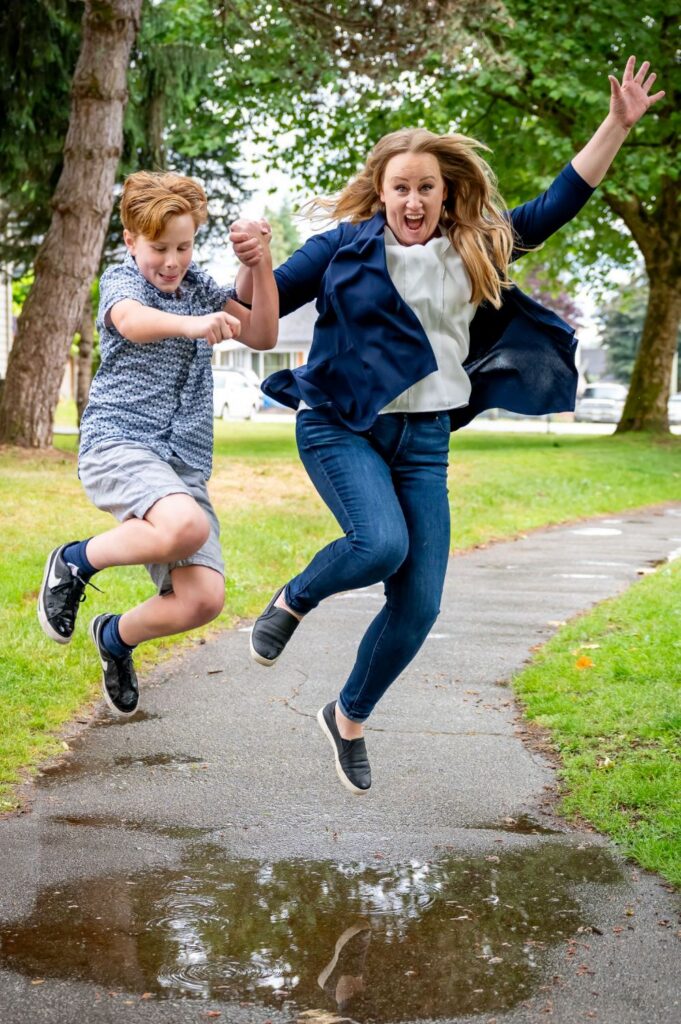
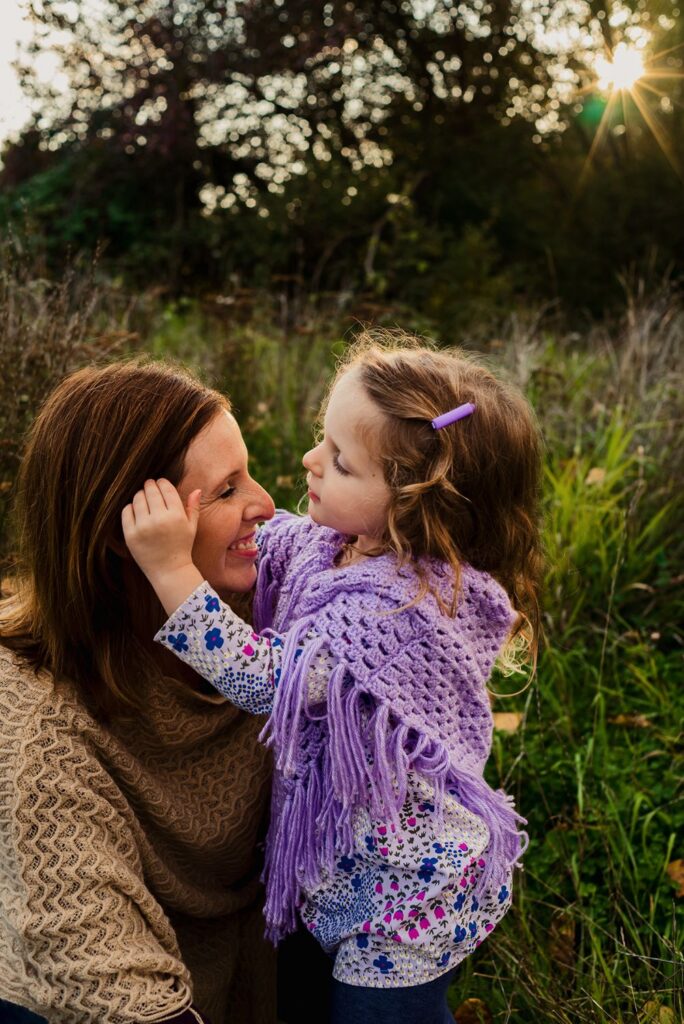
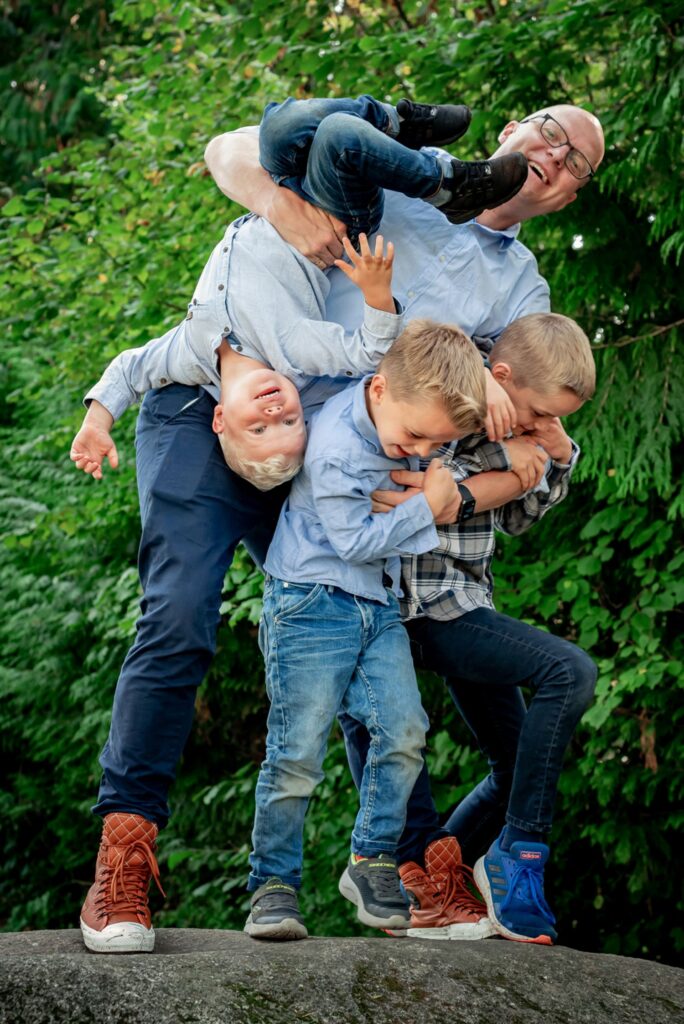
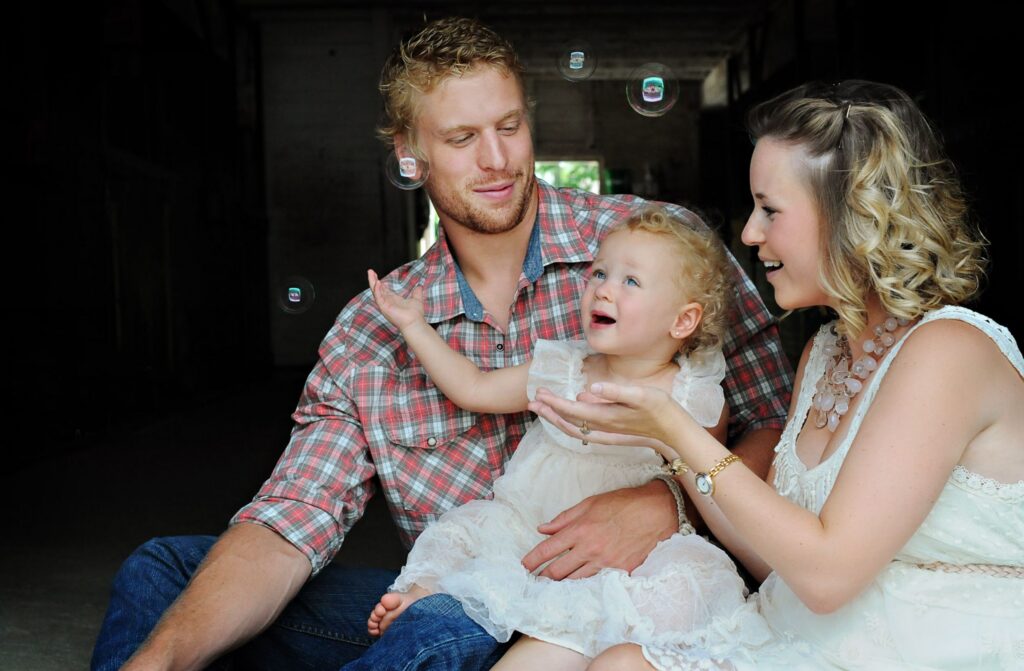
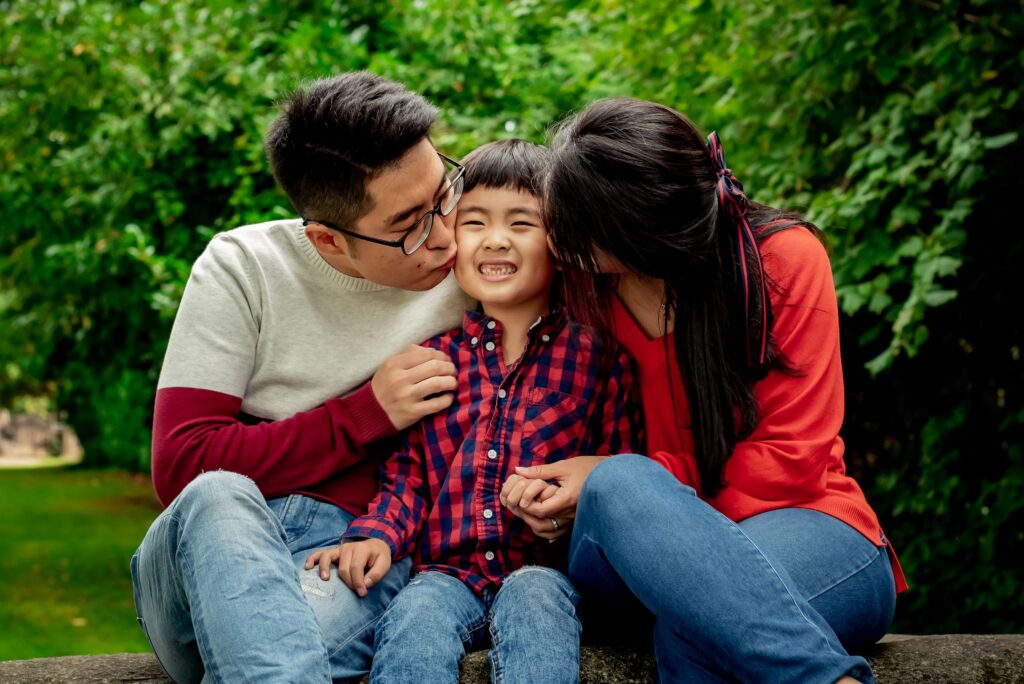
Parent-and-child photography is a category that many parents systematically neglect by remaining perpetually behind the lens. Children will not remember that a parent looked tired or dishevelled in a photograph. They will only know that their parent was present. The images that tend to matter most in this category are not formal ones but functional moments of physical closeness: a parent and child reading together, a child asleep on a parent’s chest, a piggyback ride mid-laugh. A tripod, a self-timer, or an older child holding the camera can all solve the practical problem of getting the primary photographer into the frame.

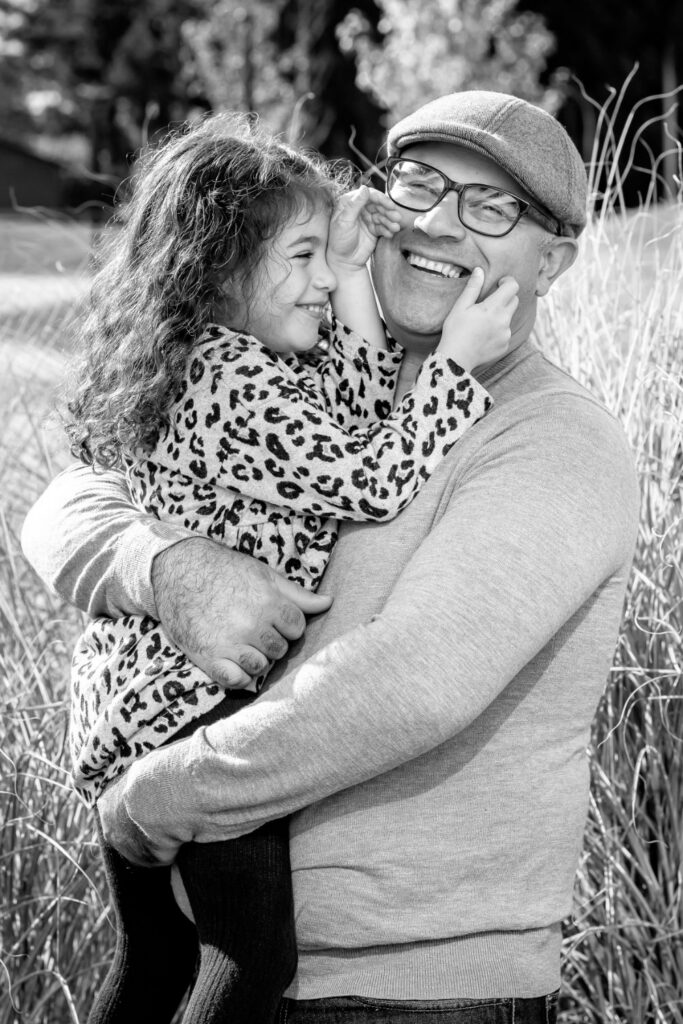

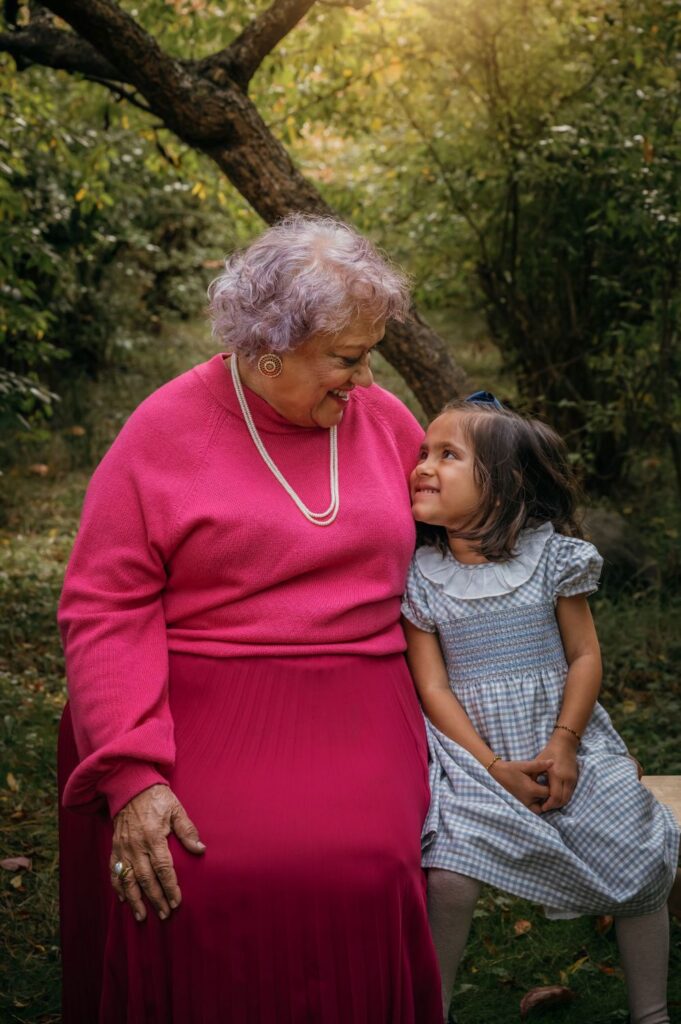
Grandparent-and-grandchild photographs carry an extraordinary temporal weight, juxtaposing lives at opposite ends of their arc in images of profound resonance. A child who loses a grandparent early in life may have no visceral memory of them, and a photograph of the two of them together becomes irreplaceable. The most meaningful images in this category are often the quotidian ones: a grandmother teaching a grandchild to roll pastry, a grandfather showing a child how to tie a fishing lure. The ordinary transmission of love and knowledge across generations is both commonplace and extraordinary, and it deserves to be documented.
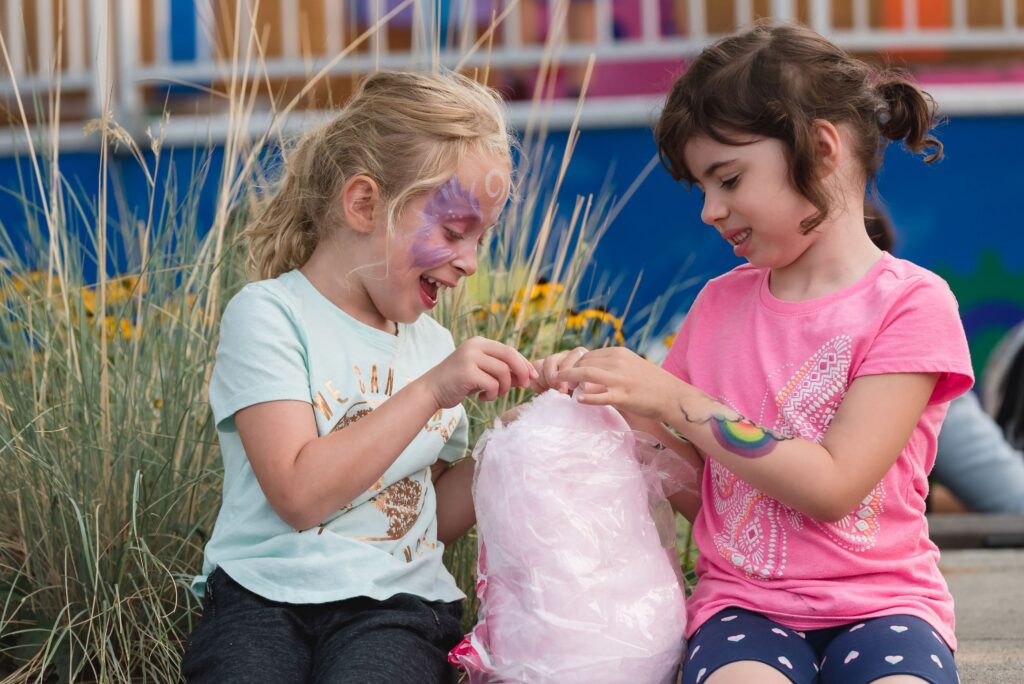
Friendship photographs are also frequently underrepresented in family archives. Children in the company of their friends reveal aspects of personality that family photographs cannot access. The physical inventiveness of children at unstructured play, the private shorthand of two best friends, the chaotic democracy of a group deciding the rules of a game together. These images carry genuine historiographical value, preserving the friendships that define particular phases of childhood.
Seasonal, Milestone, and Formal Photography
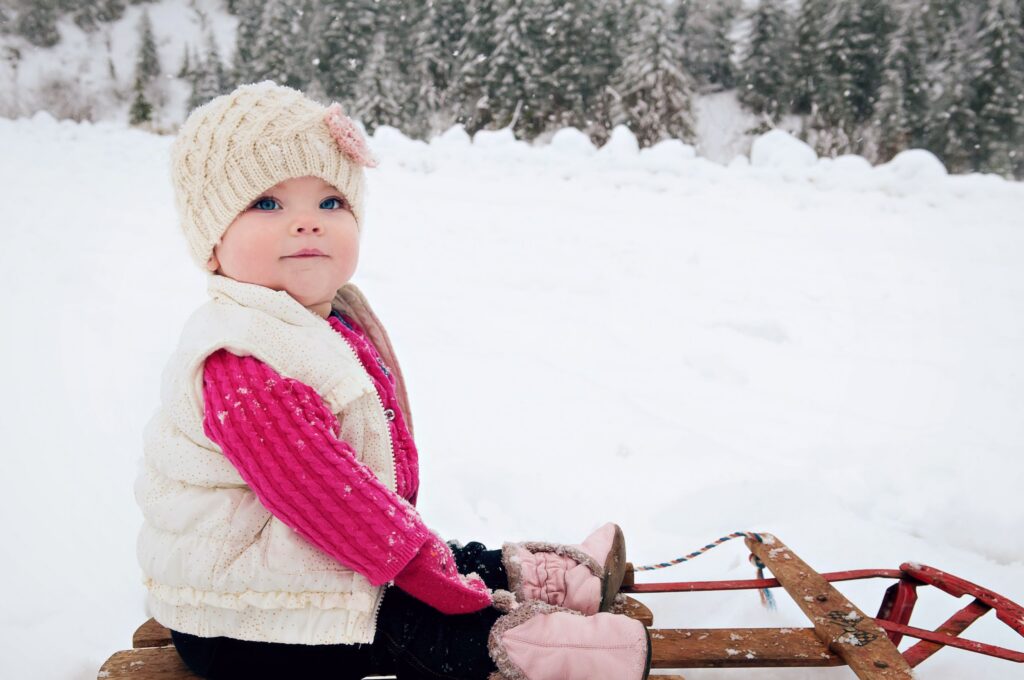
Seasonal and holiday traditions provide some of the richest and most repetitive photographic opportunities in a child’s life, and the repetition is the entire point. Documenting the annual pumpkin-carving session, the first snowfall, or the summer afternoon catching fireflies creates a visual lexicon the whole family will eventually share. The chromatic and luminous qualities specific to each season do as much to establish temporal context as the subject matter itself, and the environmental and dress details, the slightly-too-big Halloween costume, the Easter egg hunt in wellies, provide a cultural shorthand that reads with nostalgic clarity decades later.
The first-day-of-school photograph is one of the most universally recognised images in the parenting repertoire, and it rewards a more expansive approach than the standard forward-facing, backpack-on portrait. Documenting the morning routine, the walk to the school gate, and the expression on a child’s face creates a narrative sequence rather than a single frozen moment. Photographing a child in the same spot with the same framing each year produces, over time, one of the most quietly powerful series in an entire family archive.
Birthday photographs, taken consistently across the years, constitute a visual timeline of extraordinary power. Beyond the annual cake photograph, the moments of anticipation before candles are blown out, the expression while unwrapping a gift, and the assembled friends and family as context and chorus all contribute to a richer document of the celebration. The background details, the party decorations, and the fashion of the assembled children provide cultural context that will delight and fascinate future viewers.

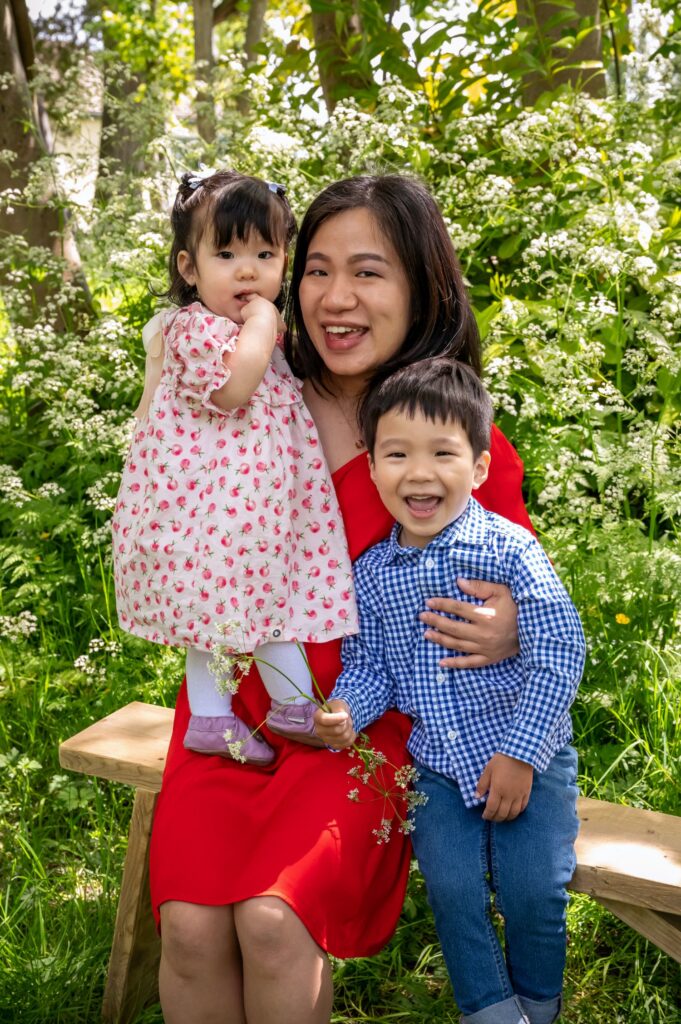
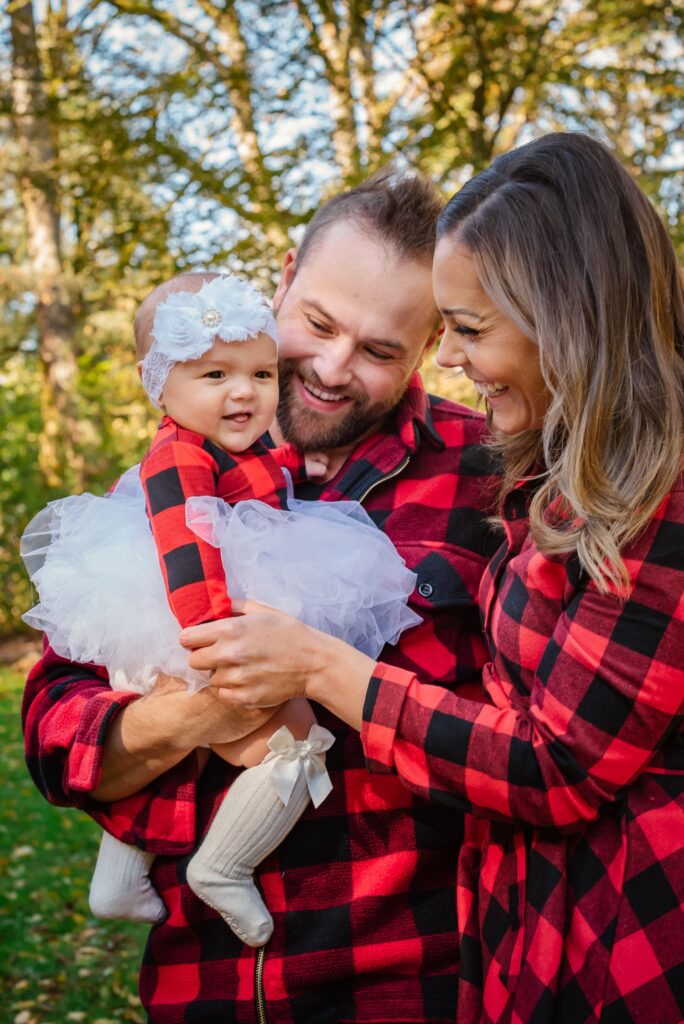
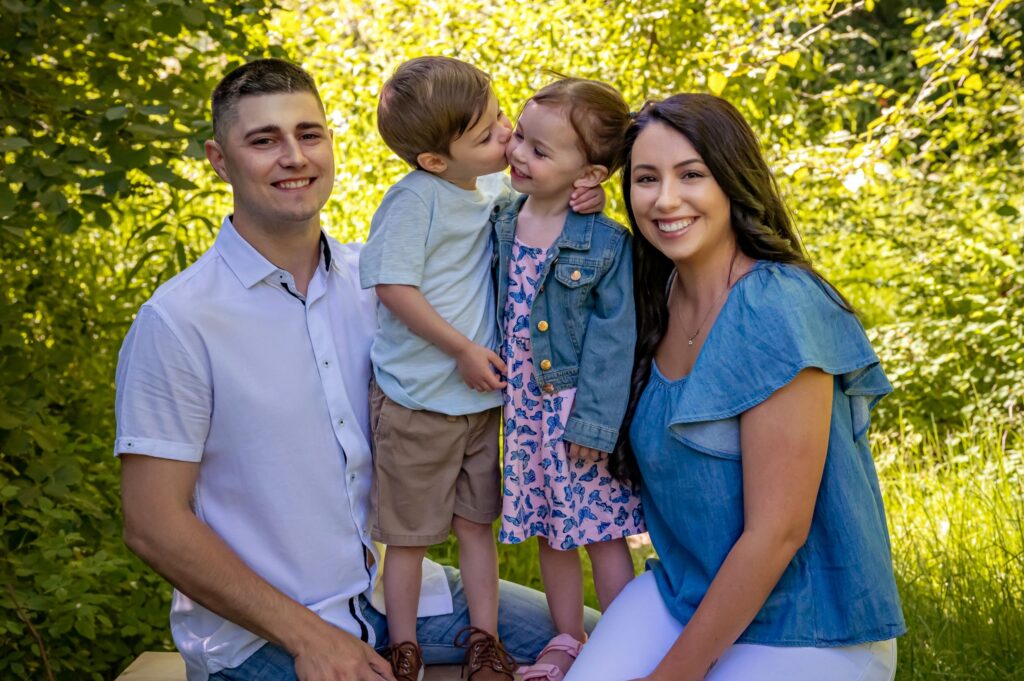
The formal family portrait has an undeserved reputation for stiffness, but done well, it is one of the most valuable photographs a family can have. The key is to approach it not as a performance but as a genuine gathering: choose a location with personal meaning, work with natural light, and hire a photographer who can put children at ease. Scheduling family portraits at regular intervals, rather than only for special occasions, produces a sequential record of what the family looks like together at various points in their shared life.
Outdoor Adventures and Emotional Honesty
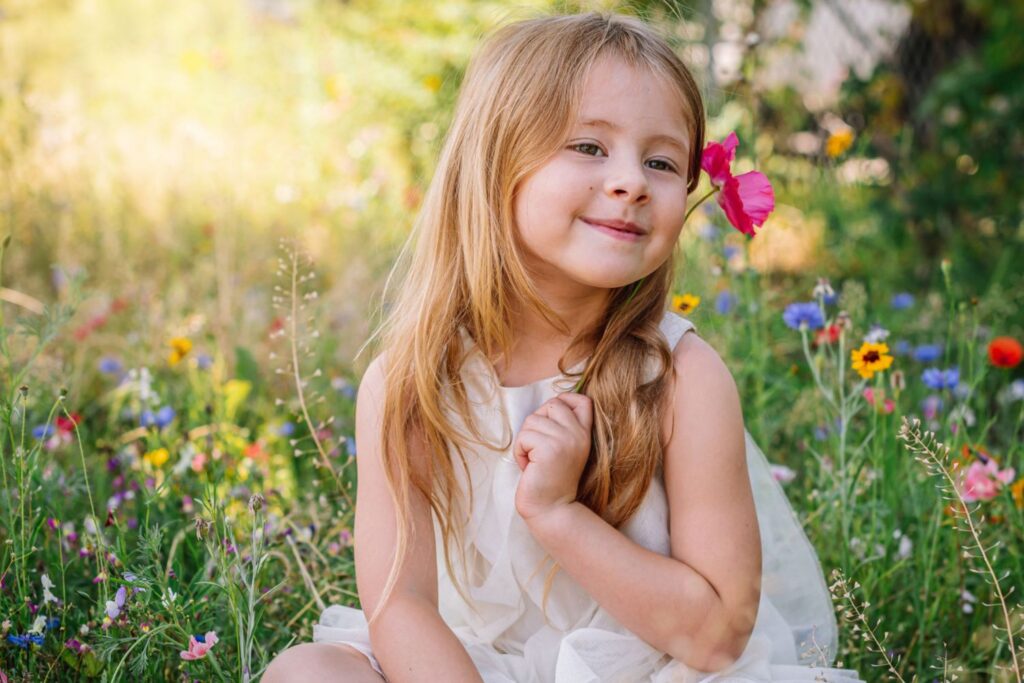
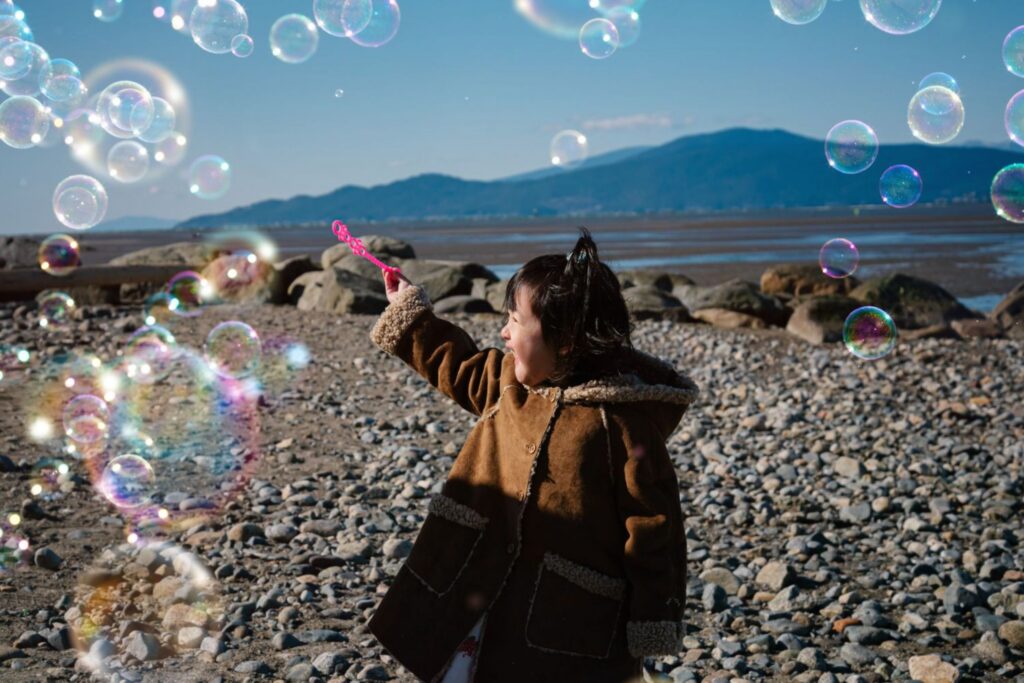
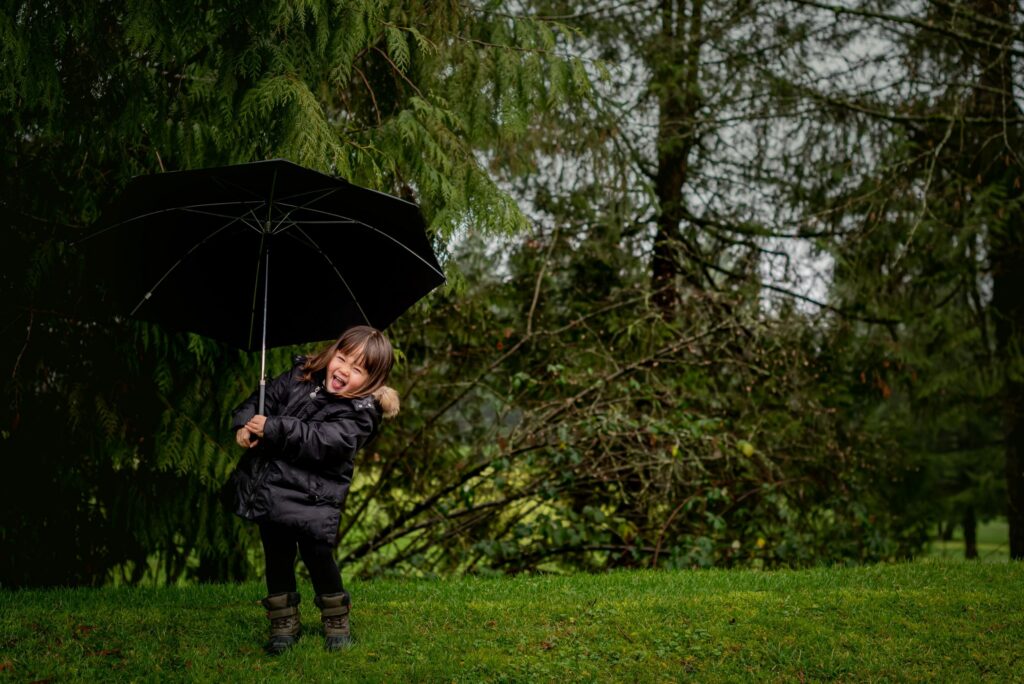
Children display a particular quality of joy in outdoor environments, something rawer and more kinetic than the happiness available indoors. Mud, specifically, deserves its own photographic subgenre as an emblem of childhood at its most physical and free. The vertical dimension of outdoor play, children climbing trees, running down hills, perched on rocks against a wide sky, produces compositions of natural drama. Photographing during the golden hours of early morning or late afternoon rewards the effort with light of extraordinary warmth that seems to illuminate children from within.
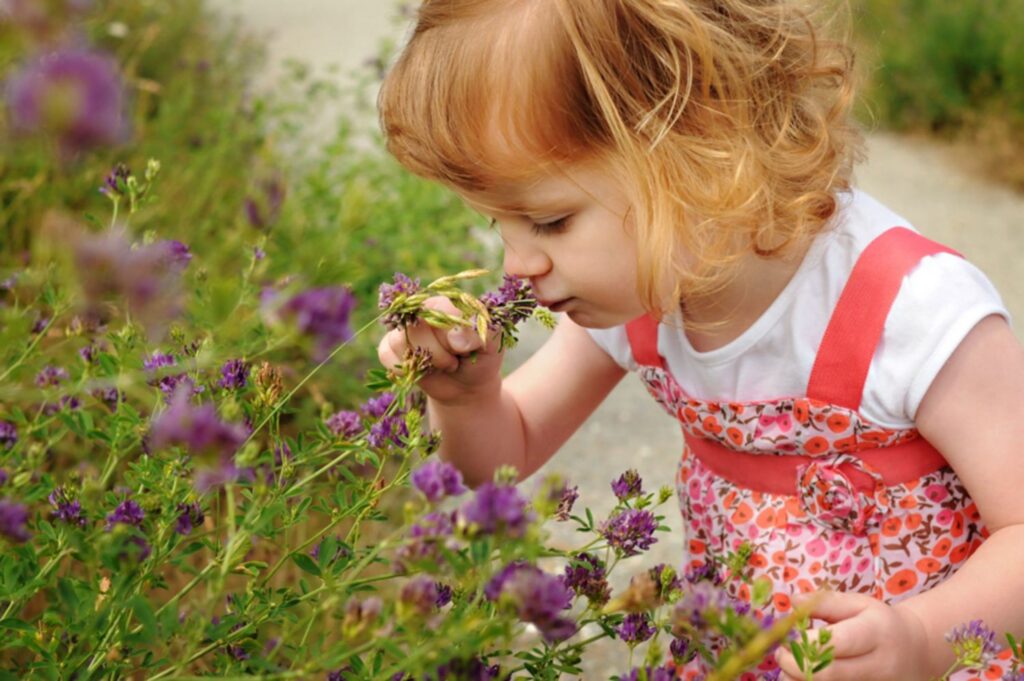
Children are among the most emotionally transparent human beings alive, expressing what they feel with a directness and completeness that most adults have long since learned to suppress. The full spectrum of childhood emotion deserves photographic representation, including the furious, the bereft, the tentative, and the frightened. A child on the verge of tears contains an emotional complexity that a smiling portrait cannot match. Discretion is essential, and there is a clear difference between photographing a child in a passing moment of frustration and exploiting genuine distress. But the more honest and emotionally complete a family archive is, the more genuinely valuable it becomes over time.
Technical Principles and Preservation
Equipment matters less than most people think. A few reliable technical principles will improve results regardless of what camera is being used. Natural light is almost always superior to flash. Focusing on the eyes ensures that the emotional anchor of any portrait is sharp. Getting closer than feels comfortable fills the frame with the subject and produces more immediate, emotionally direct images. Shooting at the child’s eye level rather than from adult height changes the perspective dramatically and typically produces far more engaging results.
The most significant threat to the modern family photograph archive is not poor image quality but digital fragility. Hard drives fail, cloud services change, and phones are lost. More photographs are being taken now than at any previous point in history, and fewer are being preserved in any durable form. Developing a regular printing practice, whether through annual photo books, sets of prints, or framed images displayed in family spaces, is a practical act of preservation rather than mere nostalgia. A principle of redundancy, storing images in multiple locations simultaneously, is the most reliable safeguard against loss.

Building a Legacy
A collection of photographs is raw material. An archive is a story. The difference lies in curation and context, in making editorial decisions about which images to keep and how to sequence and annotate them. Physical photo albums, accessible without technology and carrying their own material presence, are among the most powerful family heirlooms that exist. Annotating photographs with dates, locations, and brief contextual notes is an act of generosity toward future family members, for whom details that feel self-evident today will be genuinely unknown.
Involving children in the storytelling process, asking them to choose their favourite photographs from a year or to narrate what they remember about an event, enriches the archive with perspectives that a parent alone cannot provide. The family photograph legacy being built is ultimately a gift of recognition, a testament that this life was worth noticing, these people were worth seeing clearly, and the time spent together in all its ordinary and extraordinary variety deserved to be witnessed and remembered.
Photography cannot stop time. But in the right hands, with the right intentions, it can do something almost equally wondrous. It can make time visible.
What to Expect When You Book with Amy Williams Photography
If you are based in the Tri-Cities, Coquitlam, Port Coquitlam, Port Moody, or anywhere in Greater Vancouver, booking a family session with Amy Williams Photography is a relaxed, straightforward, and genuinely enjoyable process.
Amy brings over 15 years of experience photographing real people in real moments. Her approach is warm, unhurried, and attentive to the specific energy between the two people in front of her lens. She is not interested in stiff poses or generic compositions. She is interested in you, in the real version of your family, and in creating images that reflect that authentically.
Sessions are scheduled around optimal lighting conditions, and Amy is happy to suggest locations or work with a spot that already holds meaning for you. The whole experience is designed to feel less like a photoshoot and more like a good afternoon.
If you have been waiting for a reason to book, consider this your permission slip to stop waiting.
Ready to book your session? Head to amywilliamsphotography.ca to get in touch.
Your brand photoshoot is just around the corner…are you ready?
As a business owner or entrepreneur, your personal brand is everything. Your images should convey professionalism, confidence, and authenticity, all while making a powerful first impression. But walking into a photoshoot unprepared can lead to wasted time, missed opportunities, and lacklustre results.
Don’t worry, I’ve got you covered. Below are five crucial steps to ensure you show up fully prepared, confident, and ready to slay your brand session. Plus, I’ll share pro tips to maximize your investment and get the most variety from your shoot.

1. Pamper Yourself Like the CEO You Are
Your brand photos are a strategic business investment, not just pretty pictures. You want to look polished, professional, and camera-ready from every angle.
How to Prep Like a Pro:
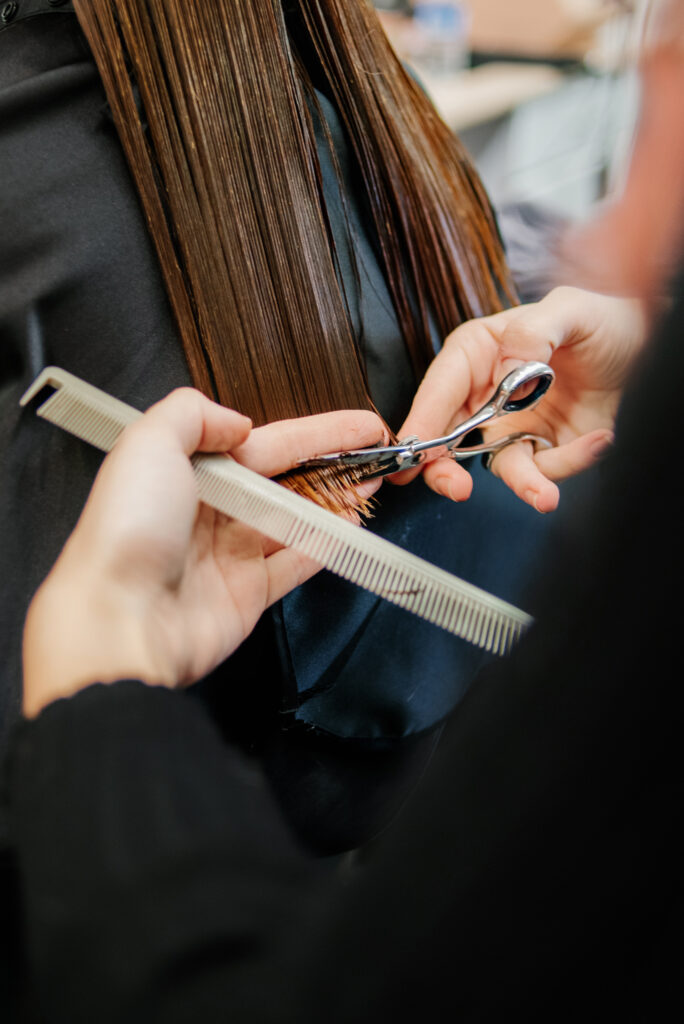
✔ Schedule hair & makeup – Whether you DIY or hire a pro, ensure your look is fresh and on-brand.
✔ Manicure matters – Choose a neutral or brand-complementing nail colour.
✔ Brows & skincare – Shape your brows and hydrate your skin for a flawless close-up.
PRO TIP: Ask your brand photographer if they have a preferred HMUA (hair and makeup artist) team. Professionals ensure a seamless, stress-free experience and they know how makeup translates on camera. *Click on the links above for my favourite beauty shops.

2. Prioritize Your Health
Imagine waking up on shoot day with puffy eyes, a breakout, or, worst-case scenario, a full-blown cold. Can I call in sick?
How to Stay Shoot-Ready:
✔ Hydrate like it’s your job – Glowing skin starts from within.
✔ Sleep like a boss – Dark circles don’t scream “trustworthy entrepreneur.”
✔ Eat clean(ish) – Skip the salty snacks and sugar crashes before your shoot.
PRO TIP: Pack healthy snacks (nuts, fruit, protein bars) and water for the shoot. A hangry expression won’t land you on the cover of Forbes, fuel up!
3. Organize Your Outfits & Props Like a Stylist
Nothing kills a photoshoot vibe faster than wrinkled clothes, missing accessories, or frantic outfit changes. Be strategic.
How to Master Outfit Prep:
✔ Plan full looks in advance – Outfits, shoes, jewellery…everything.
✔ Use garment bags – Keep clothes wrinkle-free and organized.
✔ Snap reference photos – Take pics of each look (or try them on!) to streamline shoot day.
PRO TIP: Organize outfits by location (e.g., office setup, outdoor shots) to save time. Bonus: Bring a steamer for last-minute touch-ups.


4. Practice Posing (Yes, Really!)
Awkward poses = awkward photos. No one has time for that.
How to Nail Your Angles:
✔ Find your best side – Most people have one (ask your photographer!).
✔ Study posing inspo – Pinterest is gold for natural, confident brand poses.
✔ Move naturally – Stiff = unapproachable. Relaxed = magnetic.
PRO TIP: Your phone is the ultimate posing coach! Practice in the mirror, snap test shots, then poof: delete the ones you hate. (No judgment here!)
But here’s the real secret: Selfie mode lies. The back camera (the one your photographer uses) shows the real you, angles, lighting, and all. So train with it! Nail your expressions, find your best stance, and soon, you’ll be serving CEO energy without even trying.

5. Get in the Right Mindset
Even the most camera-shy entrepreneurs can radiate confidence with the right mindset prep.
How to Channel Your Inner CEO:
✔ Meditate or visualize success – See yourself rocking the shoot.
✔ Affirmations work – “I am confident, powerful, and photogenic.”
✔ Pump-up playlist – Blast your hype songs on the way there.
PRO TIP: Many photographers (including me!) let clients play their favourite music during the shoot. Want to strut like Beyoncé? Press play.

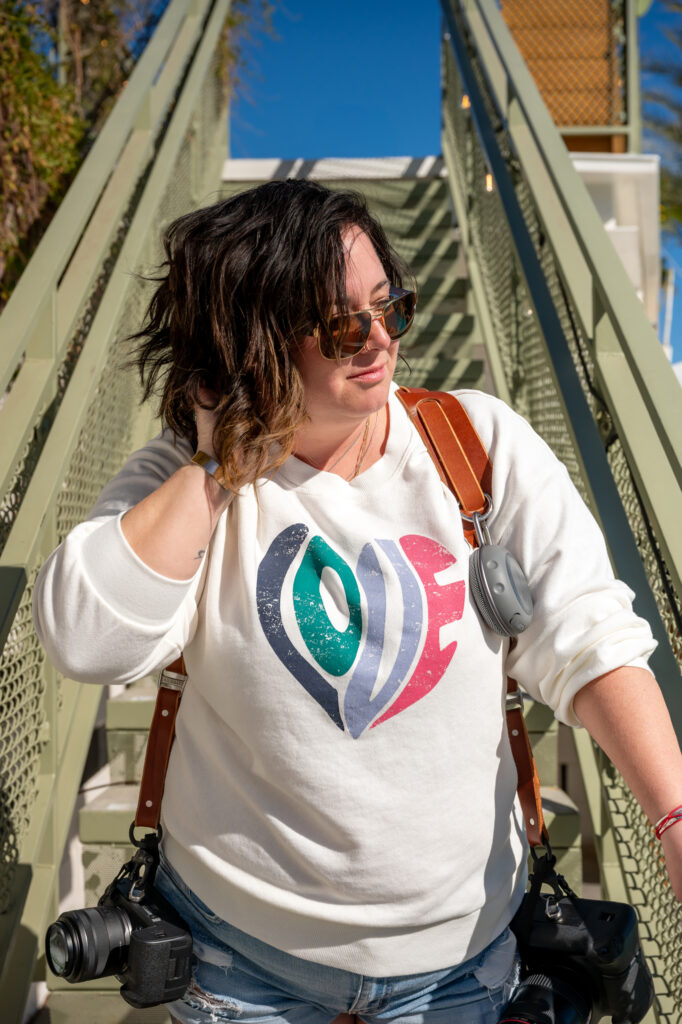
Final Thought: Ready to Own Your Brand Shoot?
Your brand photos are more than just pictures; they’re a powerful tool for attracting clients, building trust, and growing your business. By following these five steps, you’ll walk into your shoot feeling prepared, confident, and unstoppable.
Now, go forth and slay like the visionary entrepreneur you are. And if you need a photographer who’ll make you look like a million bucks (without the awkward “say cheese” moments), you know where to find me.
P.S. Don’t forget to bring your favorite lipstick and maybe a prop that screams, “I run this.” 🔥

Ready to book your branding session?
Contact me for more information or to book your session!
‘Tis the season for twinkling lights, cozy sweaters, and family fun! And what’s more festive than a photo of your little ones in front of the Christmas tree? But let’s be real, wrangling kids and getting a great shot can be a bit of a challenge, especially in the low light of winter. Here are my top tips (DSLR camera or several of these are also helpful when using your iPhone) on how to get some great photos of your kiddos by the tree this year.

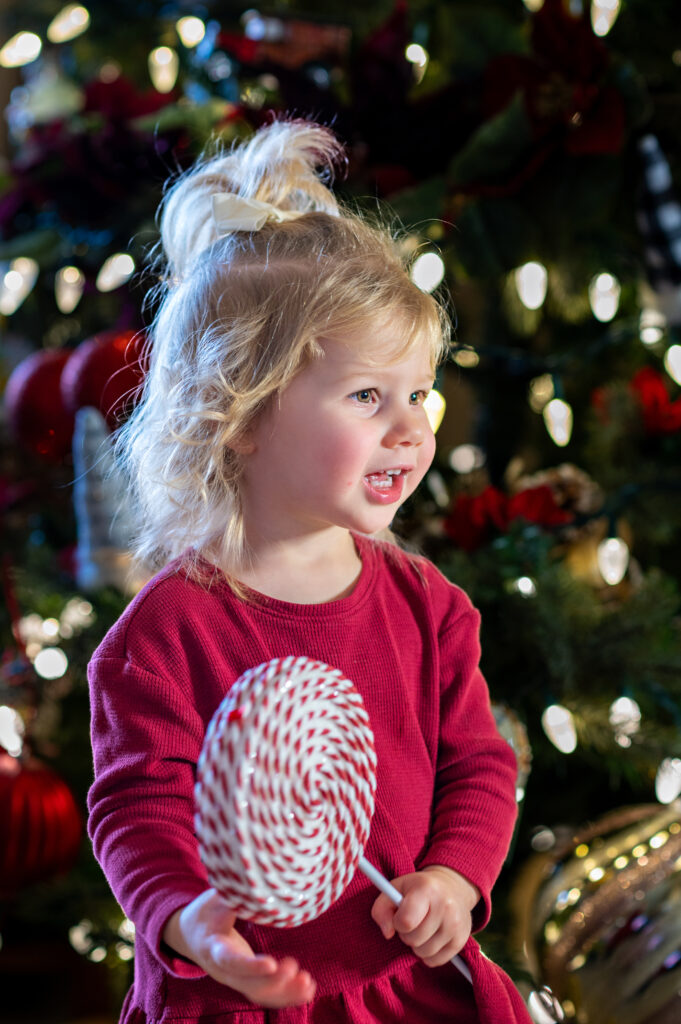
PHOTOGRAPH DURING THE DAY
You might think the best time to take these photos is at night, but actually, all the photos in this post were taken around 10am! The key is to find good lighting. You need enough light to capture the sparkle of the Christmas lights and to illuminate your little ones.
1) Natural light: If possible, position the tree near a window to utilize natural light. This will create a soft, warm glow. Turn off all other light sources (except the tree lights). Open every window so that light will pour in!
2) Exposure tip: Expose for the brightest part of their face, usually the cheekbone closest to the window. To do this on your iPhone, just touch that area and the exposure will adjust. Turn up your ISO. Being indoors means it’s likely darker. Start with an ISO of 800 and go up if necessary.
3) Candid shots: Don’t just pose your child. Capture spontaneous moments of laughter, play, or wonder. or directed poses: For more formal portraits, try simple poses like sitting or standing next to the tree.
4) Experiment with angles: Get LOW! Shooting from a low point means you get more lights and less floor, plus you’ll get a child’s perspective of the tree.
5) Use a tripod: A tripod can help you take sharp, steady photos, especially in low-light conditions. Use a self-timer to include yourself in the photo. Be sure to use the lowest f-stop you can (2.8 is preferred) and a higher shutter speed (250 or higher, any lower and you will risk getting blurry images due to camera shake) to capture those wiggly kiddos!
7) Incorporate Props: Have them DO or HOLD something. Sing a Christmas carol, eat a candy cane, hold a present, or look for their favourite ornament. I also love the small battery-powered twinkle lights; they keep the kids busy and always look great! Your photos will be more authentic this way.
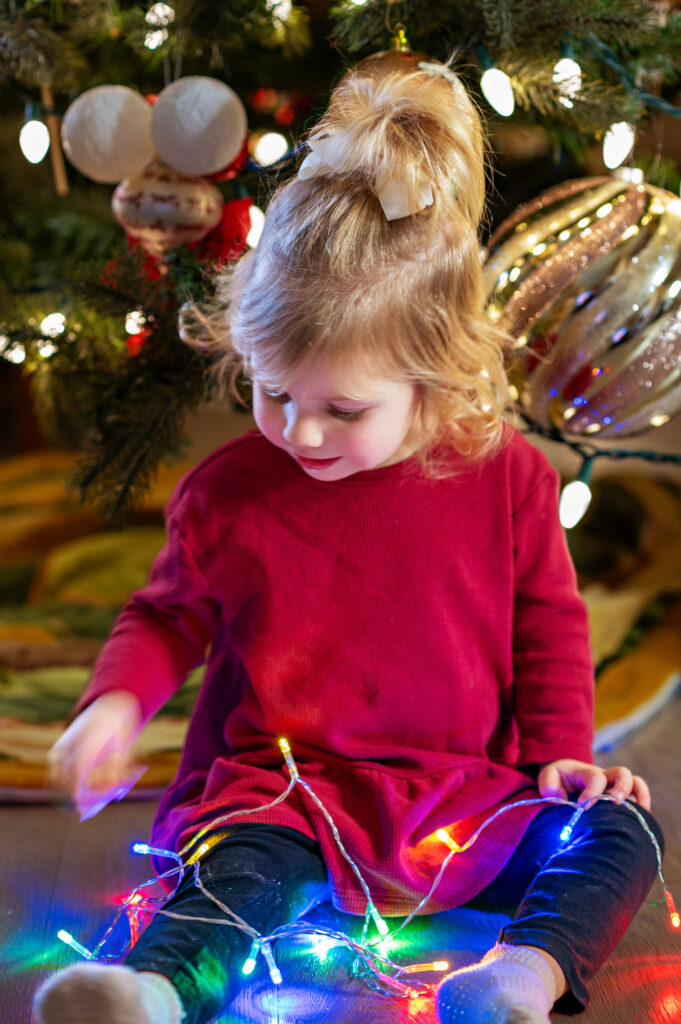
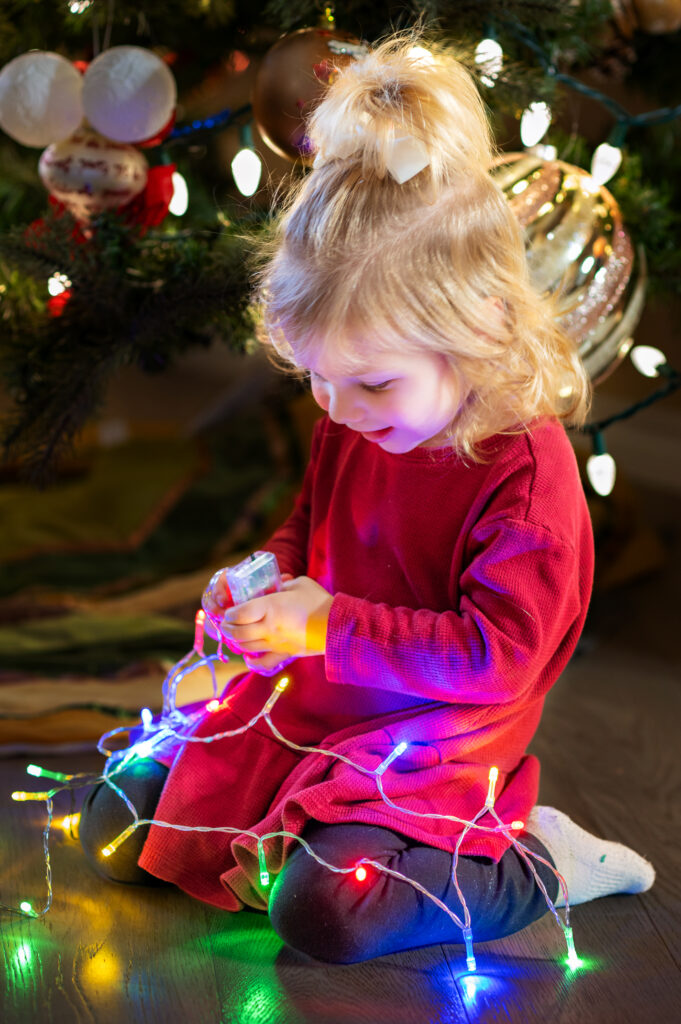

By following these tips, you can capture beautiful and heartwarming photos of your children that you’ll cherish for years to come.
There are various digital photo storage options; the only thing to remember is to always back up your photos. Whether on an SD card or your phone, you never want to lose those moments and memories. Here are a few ideas for getting your photos safely backed up!
Uploading digital photos to a cloud storage service like Google Drive, Dropbox, or iCloud is the quickest and most hassle-free way to make them available to loved ones far and wide. You can make a special album for your pictures and then send the link to your loved ones. If you have Amazon Prime you may not know you have access to cloud storage, but you do! (This is how I back up my iPhone images and using the app on my phone it’s so easy.)




You can also keep your digital photos on external hard drives or USB flash drives or I like a solid state drive if I’m travelling, which are examples of physical photo storage devices. Transferring the storage device to family members is more secure than using an online cloud service.


Sharing digital photographs with loved ones is now easier than ever thanks to social media sites like Facebook, Instagram, and Flickr. Those close to you can be invited to a secret group or album you make.



Displaying your digital photographs in a digital photo frame is a wonderful option for decorating your home or workplace. This digital photo frame is perfect for displaying and gifting your favourite digital photographs to friends and loved ones.

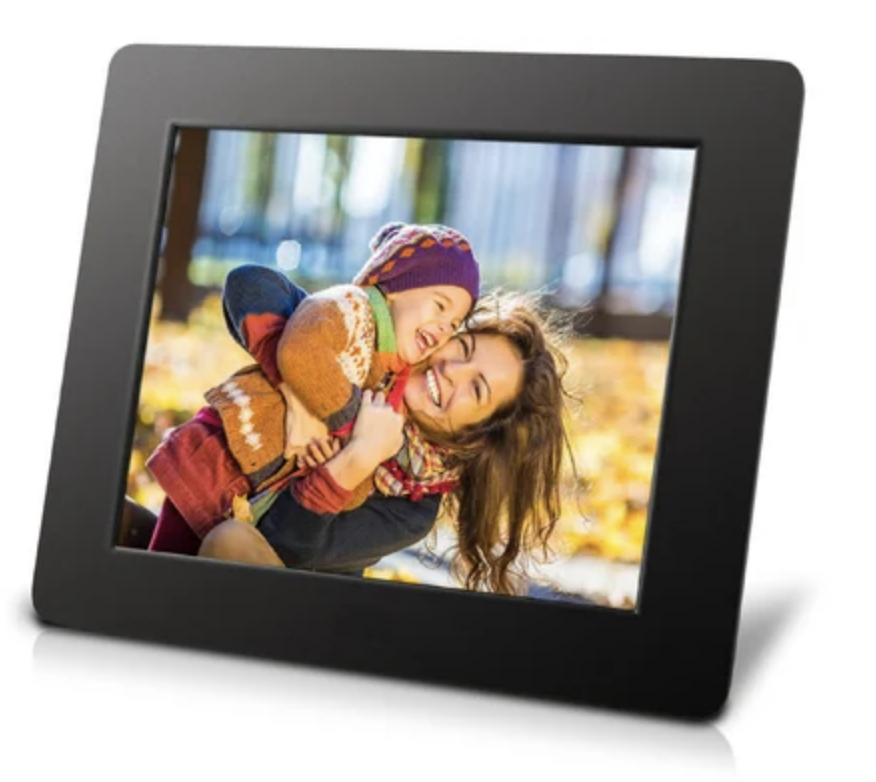
If you care about keeping your digital photos safe and easily accessible for years to come, you should always back them up in more than one location.


